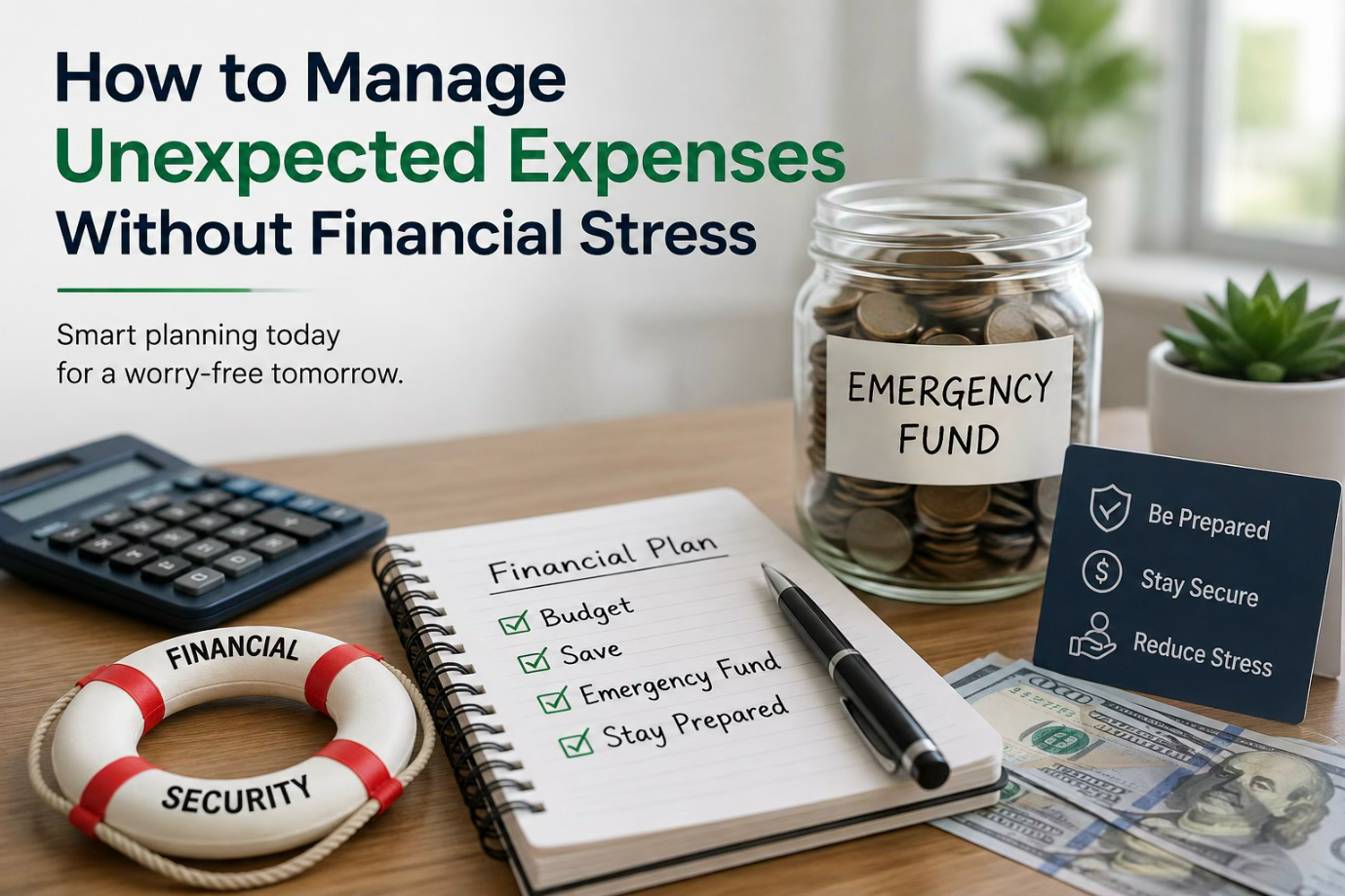
No one plans for life's surprises. One day everything is going smoothly, and the next, you're dealing with a medical bill, a broken vehicle, or an urgent family expense. These unexpected expenses can catch anyone off guard, no matter how carefully they manage their finances.
The good news? You don't have to let these moments take over your peace of mind. A little planning and a few smart financial habits can help you stay in control and find the emergency money you need without unnecessary stress.
Accept That Emergencies Are a Part of Life
It's easy to think, "That won't happen to me." But the truth is, emergencies don't come with a warning. Whether it's an appliance that suddenly stops working or an unplanned trip to the hospital, these situations are a part of life.
Instead of worrying about what could happen, focus on being prepared. A little preparation today can make a big difference tomorrow.
Start Building an Emergency Fund
You don't need to save a huge amount overnight. Even setting aside a small portion of your monthly income can gradually build a financial safety net.
Think of it as a gift to your future self. When unexpected expenses arise, having savings means you won't have to panic or rely entirely on borrowing. Over time, this fund becomes your first source of emergency money whenever life throws you a curveball.
Take a Fresh Look at Your Budget
Most of us spend on things we don't even notice extra food deliveries, unused subscriptions, or impulse shopping.
Reviewing your monthly expenses isn't about giving up everything you enjoy. It's about understanding where your money goes and finding small opportunities to save. Those little savings can add up and help you handle unexpected expenses with greater confidence.
Separate Needs from Wants
When money feels tight, it's important to focus on what truly matters.
Pay for essentials like rent, groceries, utility bills, and healthcare first. Non-essential purchases can always wait. Making thoughtful spending decisions during difficult times helps reduce financial pressure and keeps your budget balanced.
Borrow Responsibly When You Need To
Sometimes, even with careful planning, your savings may not be enough. That's okay.
If you need emergency money, choose a trusted financial solution that offers clear terms, transparent charges, and repayment options you can comfortably manage. The goal isn't simply to borrow. It's to solve a temporary financial challenge without creating a bigger one later.
Protect Yourself with Insurance
Insurance may seem like an extra expense until the day you actually need it.
Health, vehicle, and home insurance can help reduce the financial burden of major emergencies. Reviewing your coverage regularly ensures you're better prepared for situations that could otherwise lead to significant unexpected expenses.
Remember Financial Stress Doesn't Last Forever
An unexpected expense can feel overwhelming in the moment, but it doesn't define your financial future. Every challenge is easier to handle when you stay calm, make informed decisions, and avoid reacting out of panic.
Building healthy financial habits today saving consistently, spending wisely, and planning ahead. Can give you greater confidence when tomorrow brings the unexpected.
Final Thoughts
Life isn't always predictable, and that's perfectly normal. What matters most is how prepared you are when things don't go as planned. By creating a financial cushion, reviewing your spending habits, and choosing responsible solutions when necessary, you can manage unexpected expenses without losing sleep over them.
The next time life throws an unexpected challenge your way, you'll know that you're ready with a clear plan, smarter financial choices, and access to emergency money when you need it most.